
Strategy
SERP Features: The 7 Elements You Need to Track in 2026
A practical guide to the 7 SERP features that matter in 2026, how each one moves traffic, and how to track them in production.
For any commercial query, the Google SERP changes multiple times a day. Rank trackers watch one slice of that — your organic position. SERP monitoring covers the rest: organic, ads, AI Overview sources, People Also Ask, related searches. You decide what counts as a change worth alerting on.
4.7 · 23 reviews
Organic rank changes are the loudest signal but rarely the earliest. AI Overview source rotation, new sponsored advertisers, PAA question shifts, and Local Pack churn all precede organic movement by days. cloro returns every SERP element in one response so you can build the alert that fires first.
Rank trackers monitor positions. SERP monitoring watches the entire SERP — every element that can change, with timestamps you control. The use cases compound: launch detection, ad-rotation analysis, AI Overview citation drift, knowledge-panel takeover. None of these fit inside a rank-tracker dashboard.
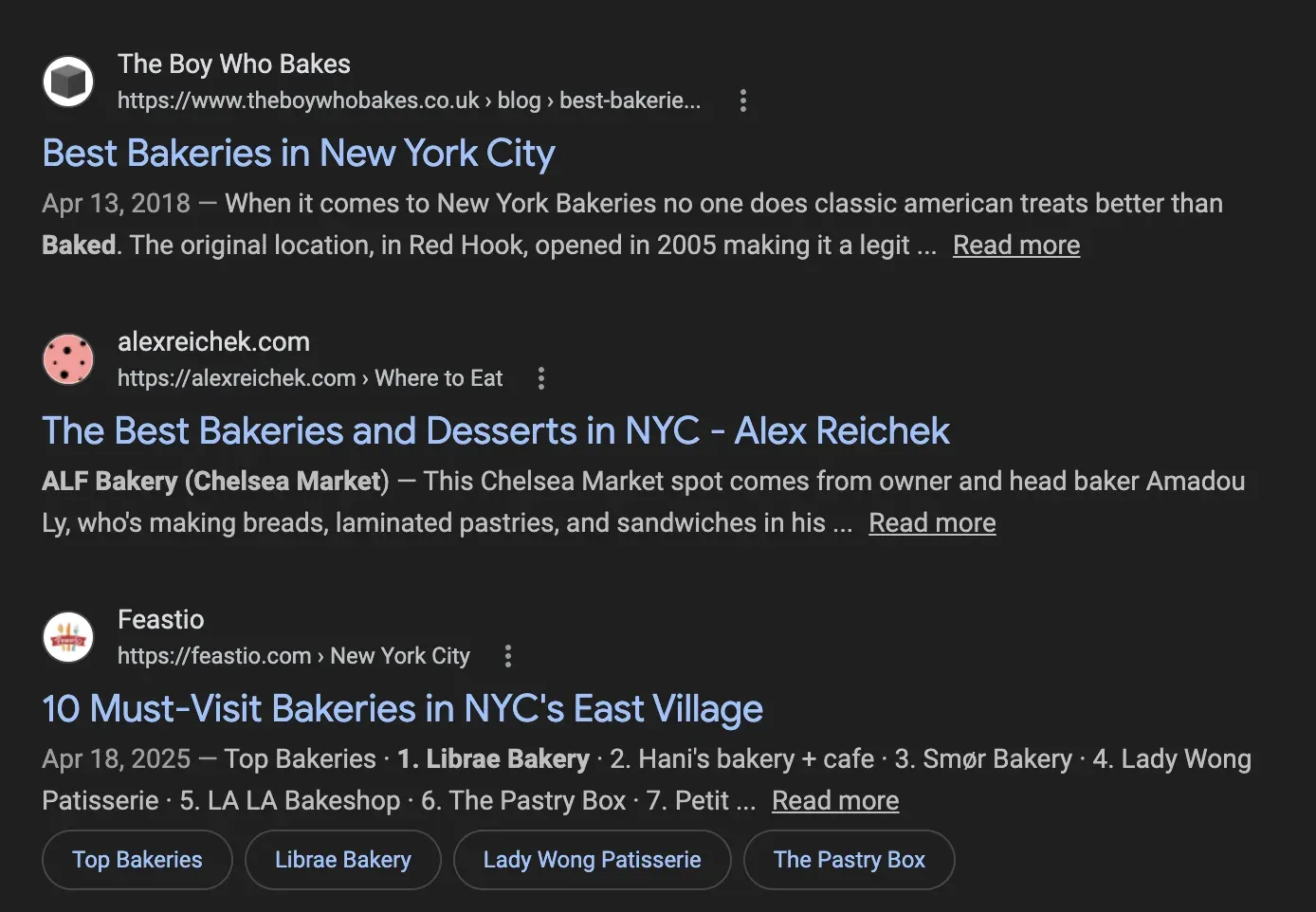
On "crm software" hourly: Monday the AI Overview source list swaps; Tuesday a new advertiser enters `ads[]` at position 2; Wednesday three new PAA questions appear; Saturday organic positions 3–7 finally shuffle. By the time the rank tracker pings on Saturday, the SERP has been moving for five days. cloro returns the full envelope per call — leading-indicator detection is a warehouse query, not a vendor feature gate.

AI Overview renders on ~40% of commercial queries in 2026, and the cited sources turn over faster than organic positions. Watching which domains appear in those citations day over day is one of the more useful SEO signals available right now, and cloro returns the full source list (with positions) on every call.
Snapshot `ads[]` hourly across your top 50 commercial queries and you can see exactly when a competitor enters the auction, raises bids enough to move to top-of-page, or drops out for budget. That granularity is hard to get from a hosted rank tracker; cloro returns the parsed ads block on every call.
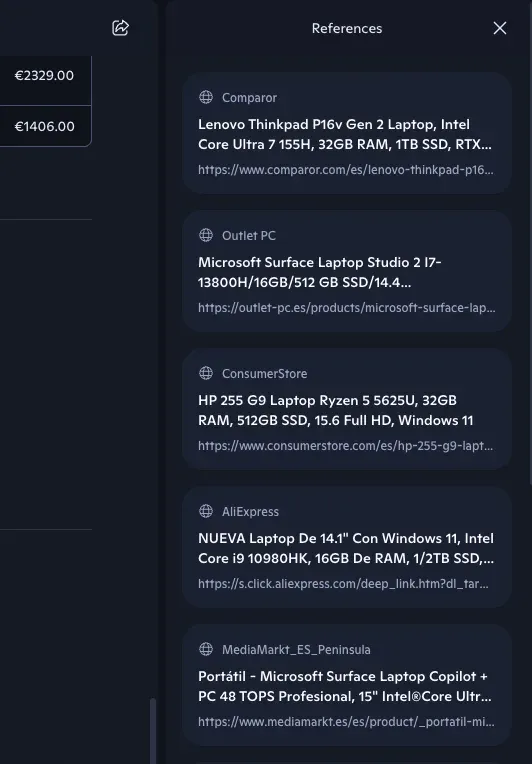
Each call returns the structured envelope (organicResults, ads, peopleAlsoAsk, relatedSearches, aioverview). Persist it however you want, diff it however you want, alert on whatever shape of change matters to your team. You are not locked into someone else's definition of "SERP change."
Persist the full SERP envelope on a cadence. Diff between adjacent runs in your warehouse. Alert on whatever change shape matters: rank deltas, AI Overview source churn, new advertisers, PAA shifts.
import requests
import json
from datetime import datetime

# Hourly SERP snapshot for a competitive-intel keyword set.
keywords = ["best crm software", "salesforce alternatives", "hubspot alternatives"]

snapshots = []
for query in keywords:
    response = requests.post(
        "https://api.cloro.dev/v1/monitor/google",
        headers={
            "Authorization": "Bearer sk_live_your_api_key_here",
            "Content-Type": "application/json",
        },
        json={
            "query": query,
            "country": "US",
            "device": "desktop",
            "include": {"aioverview": {"markdown": True}},
        },
    )
    result = response.json()["result"]
    snapshots.append({
        "ts": datetime.utcnow().isoformat(),
        "query": query,
        "organic": [{"pos": r["position"], "url": r["link"]} for r in result["organicResults"]],
        "ads": [{"pos": a["position"], "url": a["url"], "domain": a["domain"]} for a in result.get("ads", [])],
        "aioverview_sources": [s["url"] for s in (result.get("aioverview") or {}).get("sources", [])],
        "paa_questions": [q["question"] for q in result["peopleAlsoAsk"]],
    })

# Persist to warehouse. Diff against previous hour's snapshot.
print(json.dumps(snapshots, indent=2)){
"success": true,
"result": {
"organicResults": [],
"ads": [],
"peopleAlsoAsk": [],
"relatedSearches": [],
"aioverview": {}
}
} Four workflows teams actually ship on top of cloro SERP monitoring.
Fire an annotation the moment a tracked position drops 3+ slots — without leaving the rank tracker you already pay for.
Position deltas, alert volume, SERP-feature churn, competitor displacement — all in one panel, stood up in a day.
Position drop, displacing URL, one-click live-SERP jump — only material changes reach the channel.
Per-tenant API keys plus a per-client subdomain → agency-branded weekly reports emailed from your domain.
Pick a plan that fits your volume. Price per credit drops as you scale.
Credit cost per request varies by provider. The figures below are for async/batch requests; sync requests add a +2 credit surcharge.
Google News uses the same pricing as Google Search.
SERP volatility is the rate at which top-10 organic positions churn between snapshots. Spikes signal Google updates, news-event retargeting, or commercial-intent re-ranking. Snapshot `/v1/monitor/google` on a cadence, persist `organicResults[]` per snapshot, and compute position-delta sums between adjacent runs in your warehouse. The volatility metric is your code, our data.
cloro doesn't store SERP history on your behalf — but the API returns the full SERP per call. Persist the `result` envelope to BigQuery / Snowflake / Postgres and query it as a time-series. SERP history becomes a SQL window function against your own warehouse, not a vendor feature gate.
Rank tracking watches one slice — your organic position over time. SERP monitoring watches every element: organic, ads, AI Overview, PAA, related searches. "Where do I rank?" vs "what is happening on this SERP?" Same `/v1/monitor/google` endpoint, different framing — see /rank-tracking/ for the rank-specific use case.
Differential by element. Sponsored ads rotate continuously — hourly is the floor for ad tracking. AI Overview sources churn daily. PAA questions shift weekly. Organic positions move on weekly+ scales (faster during ranking-update windows). All from the same API.
Alerting is your code, our response. Common patterns: organic position delta > 3 for a tracked URL; new domain in AI Overview sources; new advertiser in `ads[]`; PAA question removed/added; knowledge panel takeover. Write the logic in your warehouse, push to Slack/PagerDuty/email.
Pay-per-call: 3 credits per SERP call (n=10), +2 per additional results page, +2 with AI Overview enrichment. 50 keywords × hourly × 1 country = 36k calls/month = 108k credits — comfortably inside the Hobby plan's 250k. The same shape across 7 countries with AI Overview enabled (~252k calls × 5 credits = 1.26M credits) lands on Growth ($500/month, 1.56M credits).
`POST /v1/monitor/google/async` with a webhook URL. Results land at the webhook as each call completes. For 500+ keywords × hourly, async is the right pattern — sync polling burns concurrency you don't need to spend.
A practical guide to the 7 SERP features that matter in 2026, how each one moves traffic, and how to track them in production.

Learn how to track SERP rankings across organic results, maps, AI Overviews, PAA, snippets, ads, and zero-click features without false confidence.
Master Google search URL parameters like gl, hl, uule, and udm to control location, language, time filters, and AI features when you scrape at scale.