
Brand Monitoring•
Open Source AI Visibility Tracker You Can Self-Host
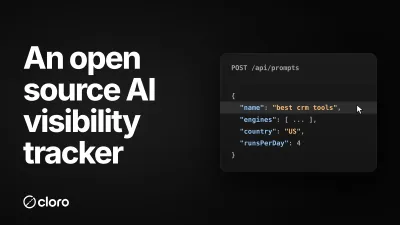
geo-tracker is an open source AI visibility tracker you host yourself. It runs your prompts on ChatGPT, Gemini and Google, and keeps every answer.
Read more
Topic
Watching what search engines and AI assistants say about your brand, catching the drift early, and deciding what is worth correcting.
geo-tracker is an open source AI visibility tracker you host yourself. It runs your prompts on ChatGPT, Gemini and Google, and keeps every answer.
Mention rate vs citation rate, per-engine reads, verification against real answers, and how fast AI answers actually change.
Per-tenant API keys, your own report layer, and about $43 per client per month in data costs at 200 daily prompts.

How many prompts and daily runs AI visibility tracking needs before a trend is real, measured with paired same-model runs minutes apart.
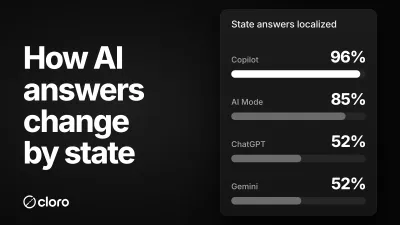
Ask an AI assistant the same local question from California and from New York and you can get two completely different sets of recommended businesses. We measured how much AI answers change by US state across ChatGPT, Copilot, Gemini, Perplexity, and Google AI Mode.
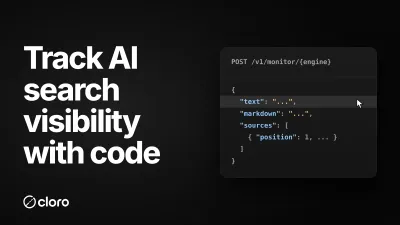
AI engines ship no dashboards, so you query them yourself. A developer's guide to tracking AI search visibility: brand mentions, citations, and share of voice.
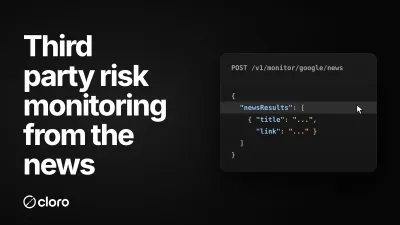
Your TPRM stack reviews vendors once a year, but vendor risk moves daily. Here is how to build third party risk monitoring from live news and search signals.
Brand monitoring in 2026 spans news, search, social, and reviews, plus AI answers no legacy tool tracks. The full surface map, the tools, and a DIY setup.
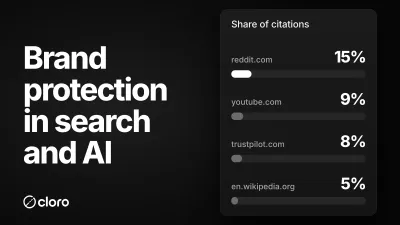
Across 40 major brands and 6 AI engines (2,400 answers), 31%–72% of triggered answers cited only third-party domains, never the brand's own site. On Perplexity, the brand's own domain is cited in ~0% of answers. Trustpilot, BBB, ConsumerAffairs, and Reddit narrate your brand when you're absent.